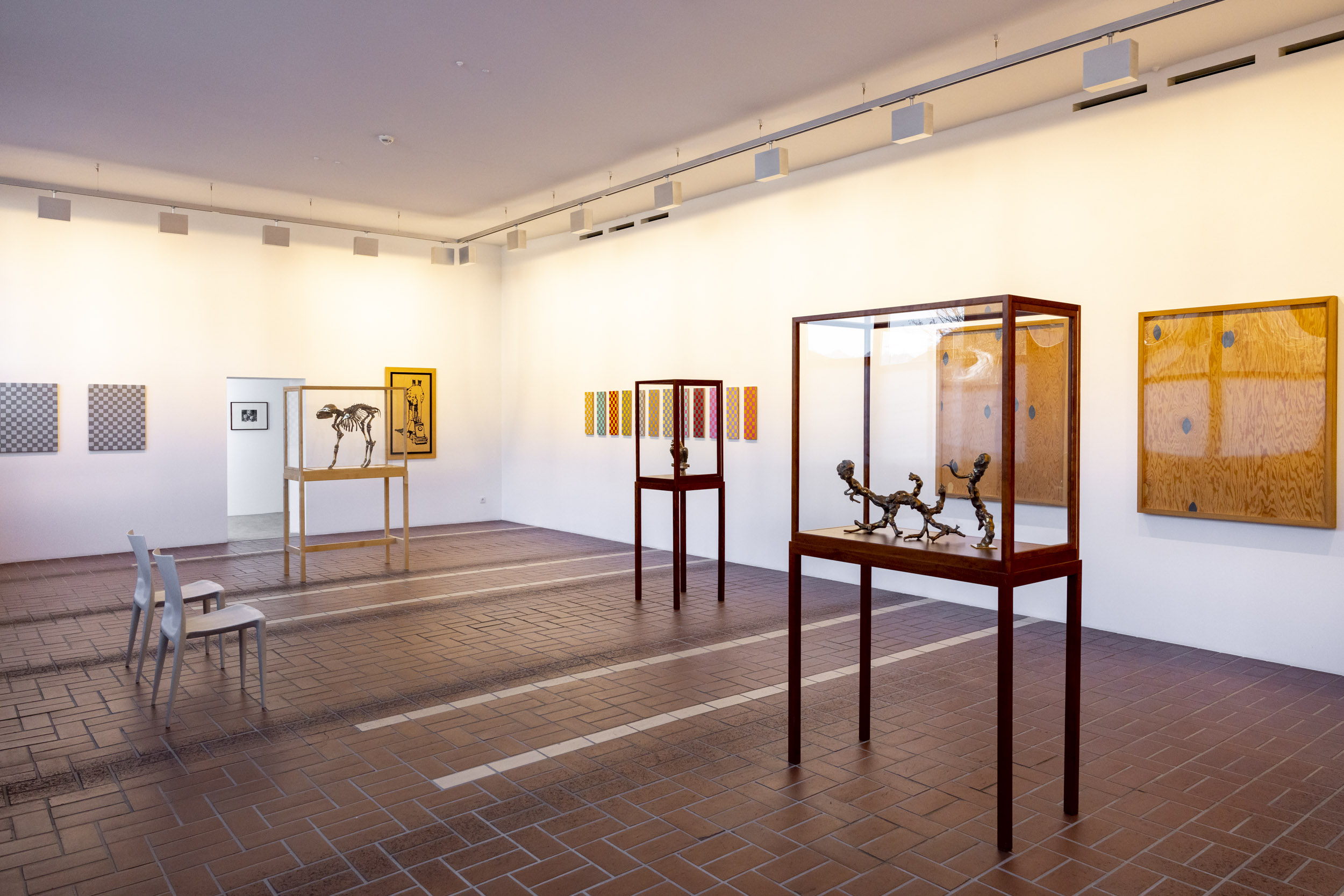
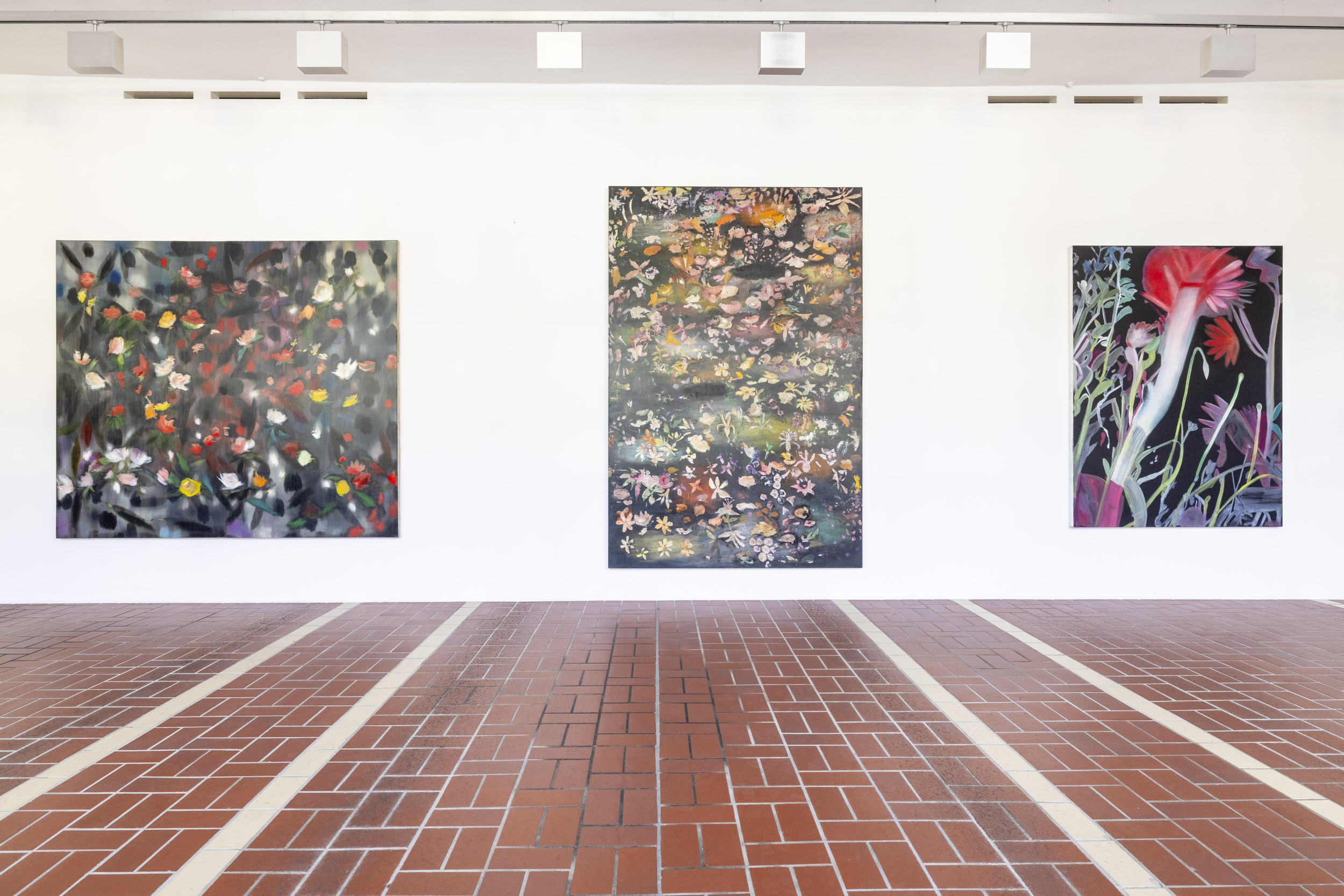
KiS - Kunst in Seefeld dedicated its winter exhibition 2025/2026 to Michael Ziegler's „Still Life“, with delicate flower paintings taking centre stage in the old fire station. Still lifes from various creative periods complement the show.
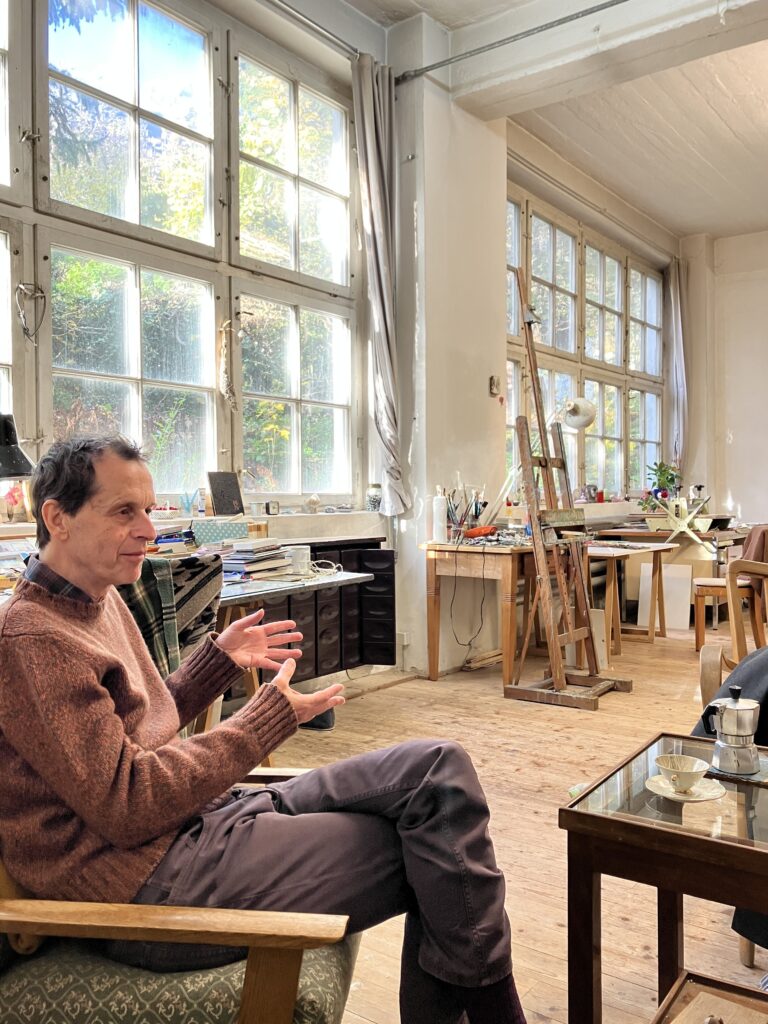
Michael Ziegler is a painter, illustrator, and photographer. He works in series and cycles that he revisits repeatedly. There are landscapes, still lifes, reclining figures, drawings that engage with the art of the past, and the series “Von Dir zu mir” (From You to Me), which explores the visual worlds of the Near and Far East. The floral still lifes form another group.
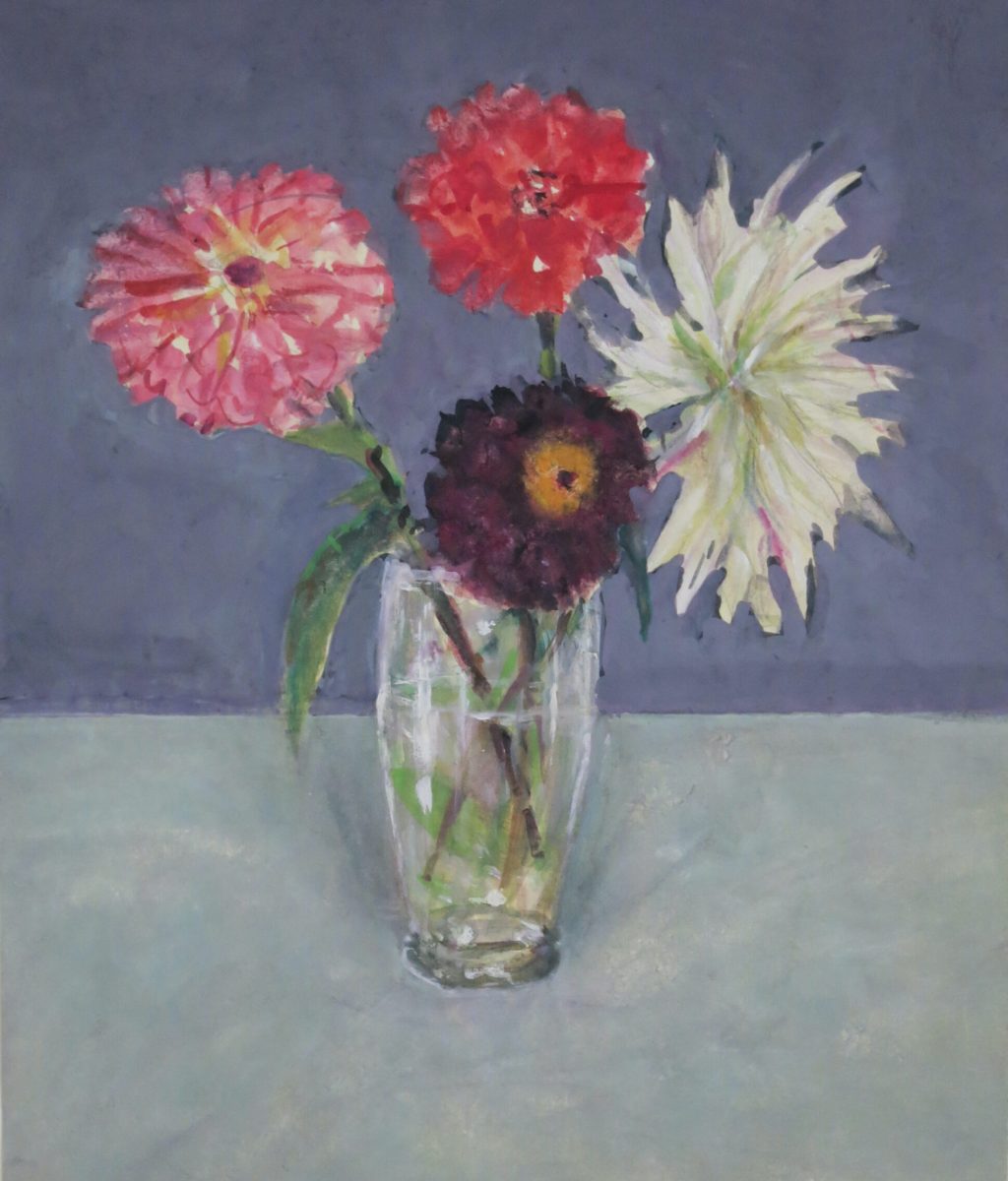
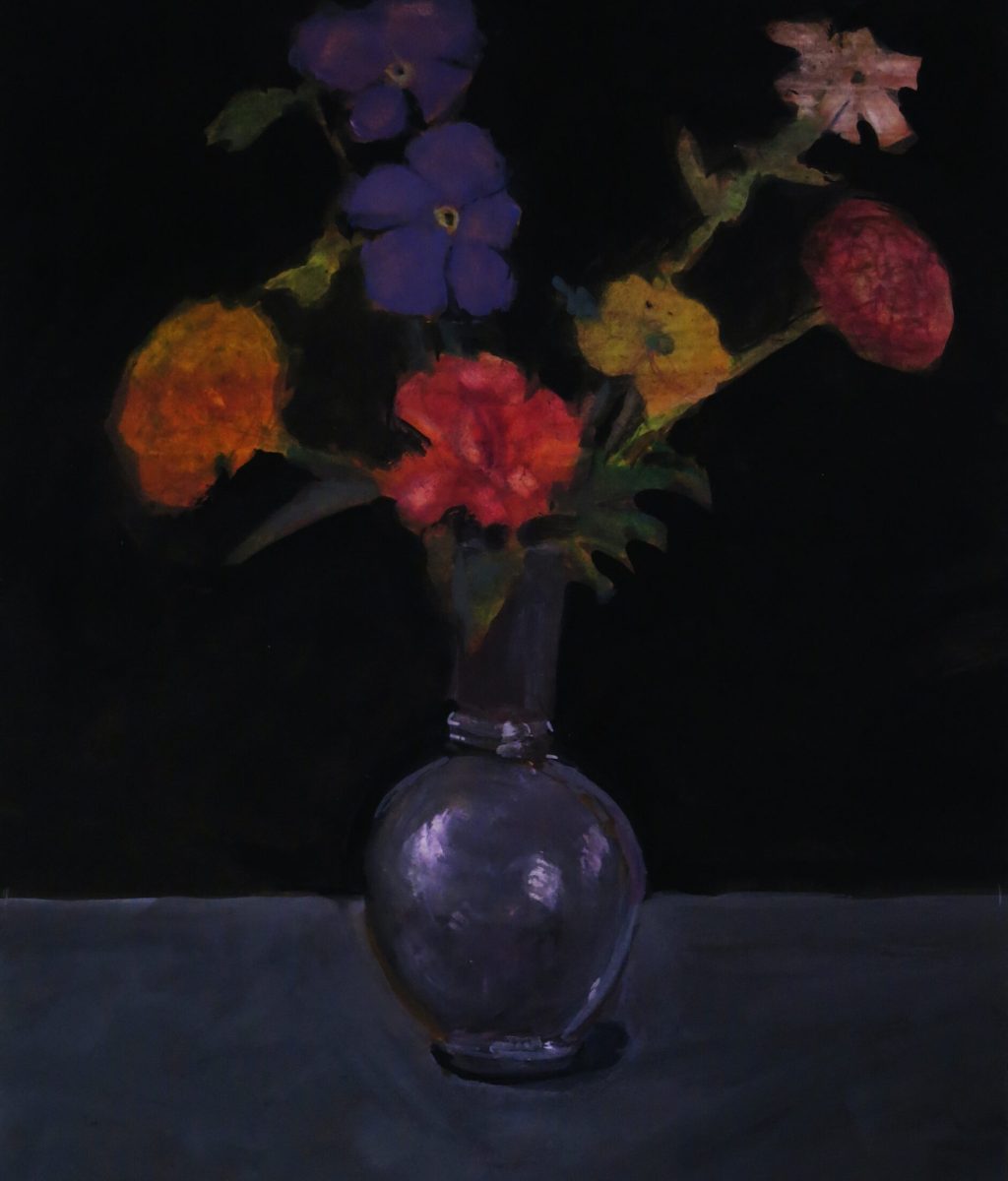
The process of creating the flower pictures in delicate watercolors “could perhaps also be described as sensual, even erotic; for me, this means the simultaneity of closeness and distance suspended for a brief moment,” says the artist. This closeness and distance is always the crux of his work. The drawings, paintings, and photographs remain, tangible yet fleeting, in this tension between these two poles.
“It was necessary for me to wipe everything away once.”
Flowers as a recurring motif
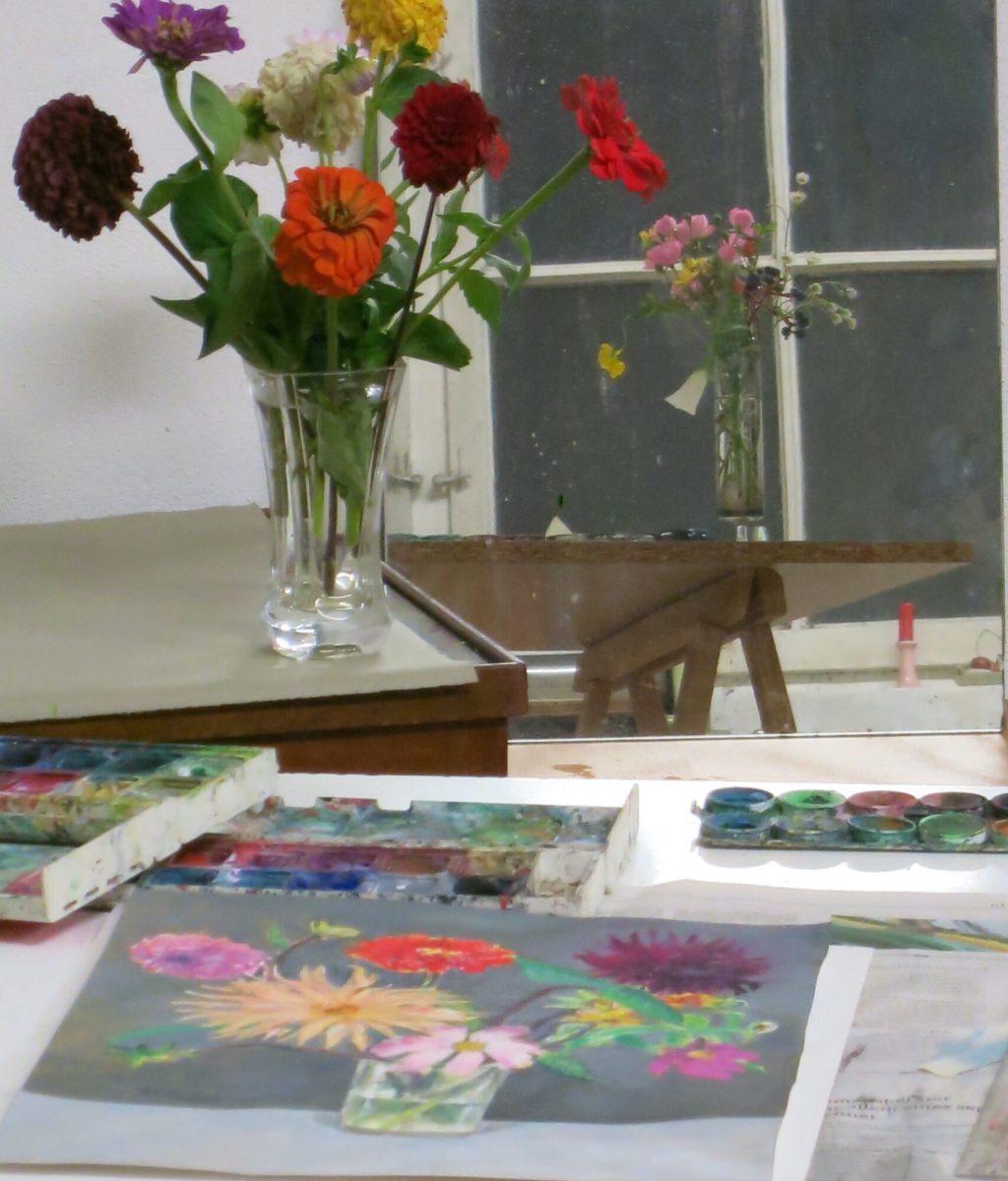
Michael Ziegler was born in Wels in 1960 and completed his training at the Mozarteum University in Salzburg under Peter Prandstetter. He has lived and worked in Innsbruck since 1988. He began creating individual flower paintings early on, but it was only after a lengthy break from work in 2020 that they began to occupy a larger space in his oeuvre. During this crisis, three flowers on a table stirred something existential in him. “At the time, I thought: if I close my eyes and imagine I could paint another picture, it might be this flower painting,” says Ziegler. “I felt the need to wipe the slate clean, make a fresh start, and paint this one picture. I was on fire. I created my first watercolor painting, followed by 15 more floral still lifes over the next few weeks.” Even though he has since turned his attention to other series of works, he keeps returning to the motif of flowers. To date, he has created a total of around fifty floral still lifes on paper.
From drawing to painting
The floating, light comes onto paper with watercolor
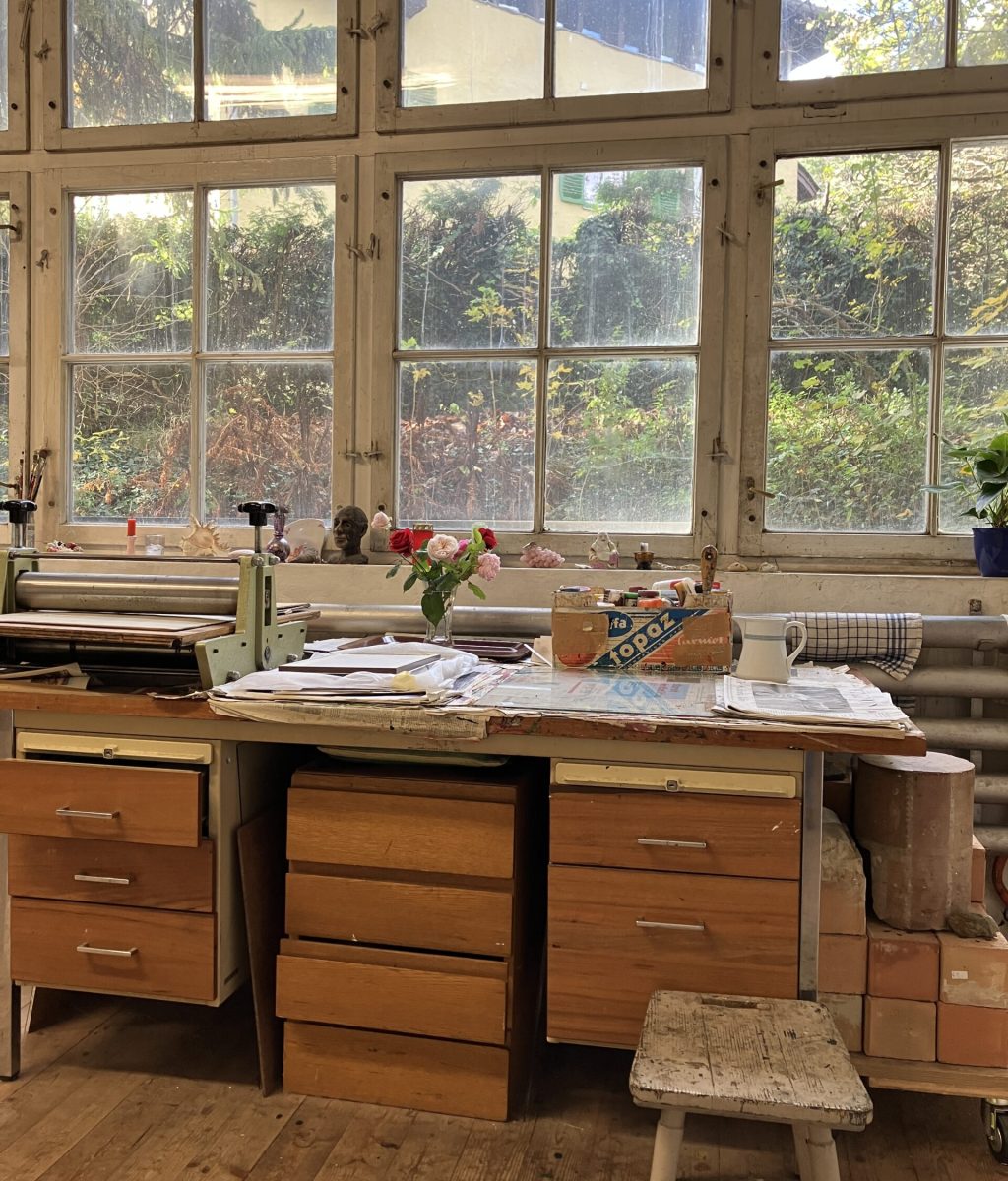
Flowers are gathered, selected, and arranged in a vase or glass. As in many of his works, drawing is the starting point here. Using pencil on paper, he captures not only flowers but also still lifes, or produces sketches for photographic works. In a multi-stage process, the drawings become increasingly reduced and concentrated, constantly rethought. Then color is added: in the case of the flower pictures, watercolors and gouache on paper.
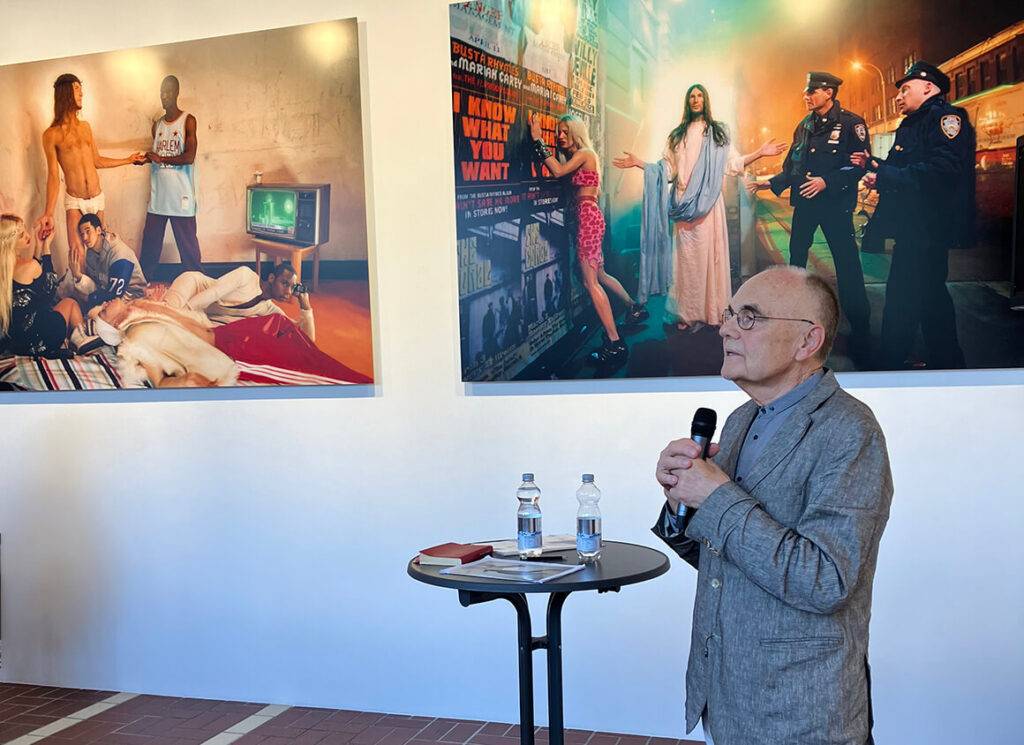
David LaChapelle is an artist I didn't know until Rafael Jablonka asked me to open this exhibition. After studying him and this work, I have to say: for me, he is one of the great, one of the greatest artists of our time.
He was socialised as a Catholic, like so many artists, for example Andy Warhol. Later, many, including LaChapelle, turned away from religion. What has remained, however, is the longing to produce images that is inherent to Catholicism. This is exactly what David LaChapelle does; it seems as if he wanted to create the Bible itself with this cycle.
You can bring a bunch of morals with the Christian thought or simply a voice at the right moment that says „you can't do that“. That stops the policemen in the picture ‚Intervention‘ from doing what they are doing.
LaChapelle does not make Catholic propaganda, but shows people who set themselves free. They do it because they can. That's why, for me, these pictures are among the most magnificent of this genre.
A house with different rooms
In addition to the flower paintings, “Still Life” provides insight into other groups of works by Michael Ziegler.
Individual flowers or a colorful bouquet shine in the foreground, while the background is often only hinted at. “I can only achieve this light, weightless, floating, sketch-like effect with watercolors,” he says. In addition to the flower paintings, KiS – Kunst in Seefeld is showing a selection of still lifes from various creative phases of Michael Ziegler's career. He uses found objects such as playing cards, fruit, or vessels, items that happen to be lying around in his studio. The objects begin to speak, a story develops, and only then does the first sketch emerge. It is only after a lengthy working process that the final composition is decided. For the exhibition in the Alte Feuerwehrhalle, curator Rafael Jablonka selected still lifes by Ziegler that are connected by individual motifs such as one or more cherries. Together with the flower paintings and all of Ziegler's other groups of works, they form a larger whole. His work is “something like a house,” says the artist. “It has different floors, different rooms, and different views.” Stylistically, Michael Ziegler's work also covers a wide range: from realistic images to abstract ones.